
The same attention to origin. Different journeys.
Choose your supply chain to find situations, records, and practical concerns from your daily work.
Soy: from field to shipment.
Harvested soy moves through warehouses, silos, and different suppliers. Keeping the connection between origin and lot is central to that journey.
Explore the soy supply chain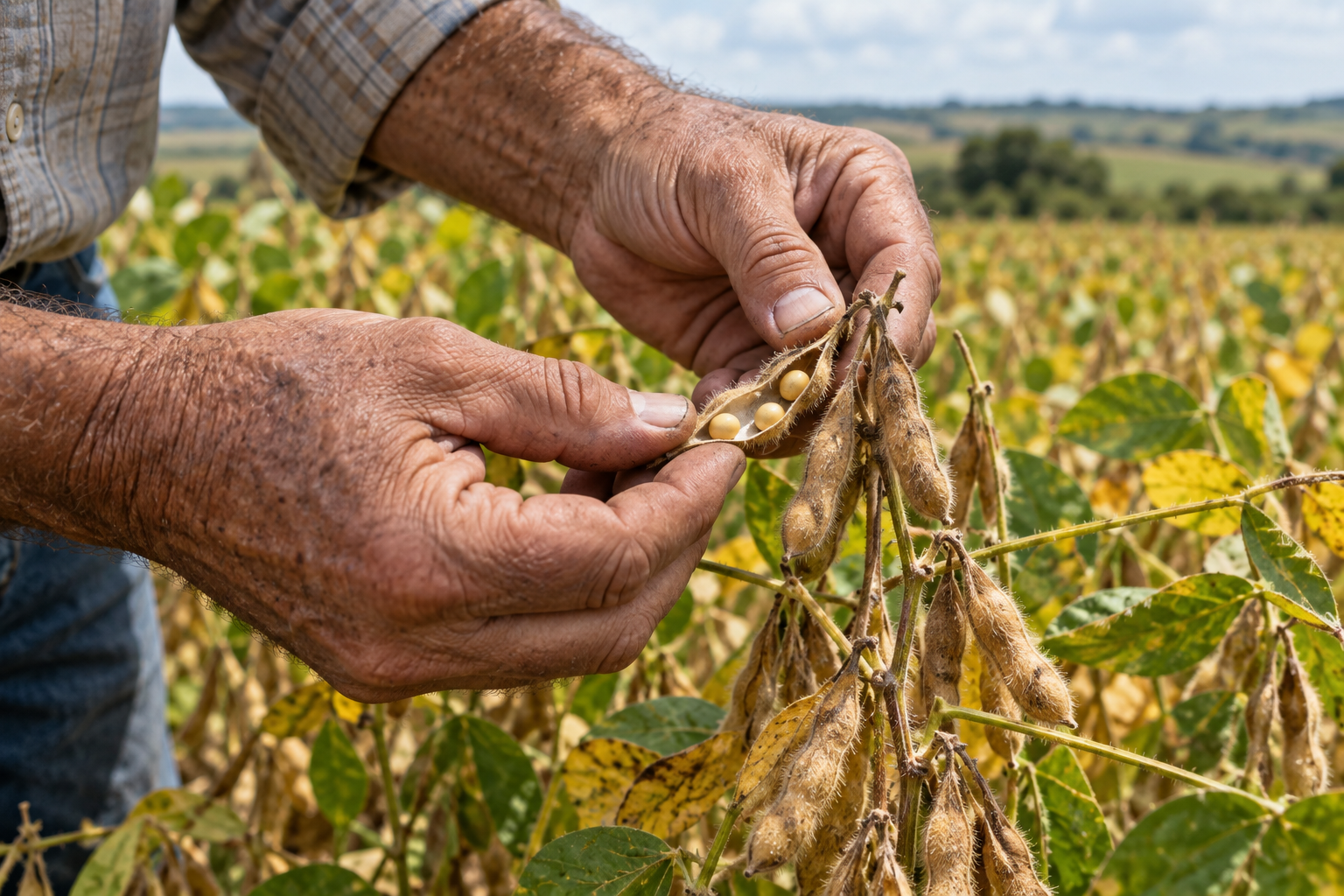
Coffee: its identity does not end at harvest.
From the drying patio to storage, from milling to blending: the coffee’s history needs to follow every change to the lot.
Explore the coffee supply chain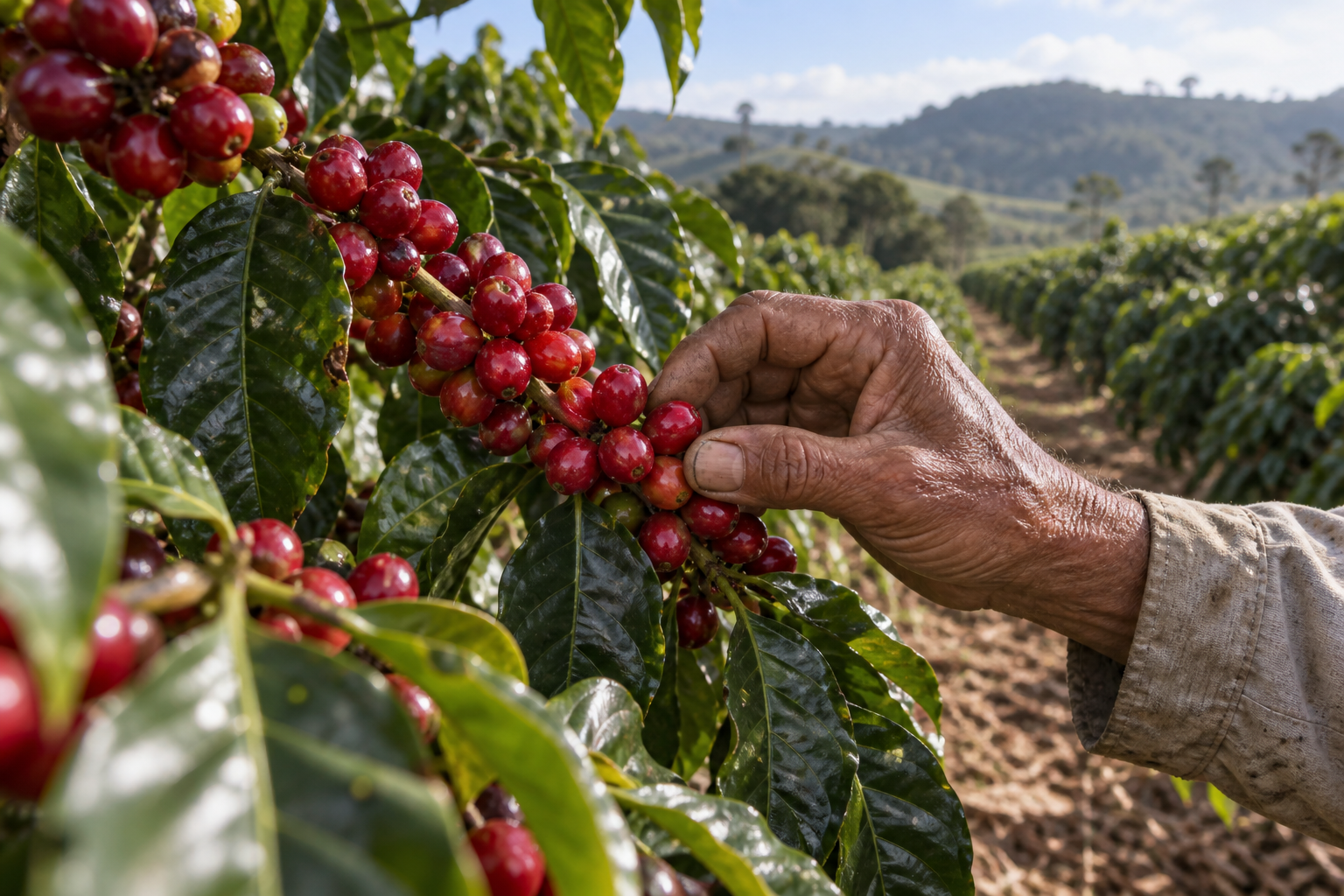
Cattle: an origin at every stage.
Breeding, rearing, and finishing can take place on different farms. The direct supplier is part of the story, not necessarily its beginning.
Explore the cattle supply chain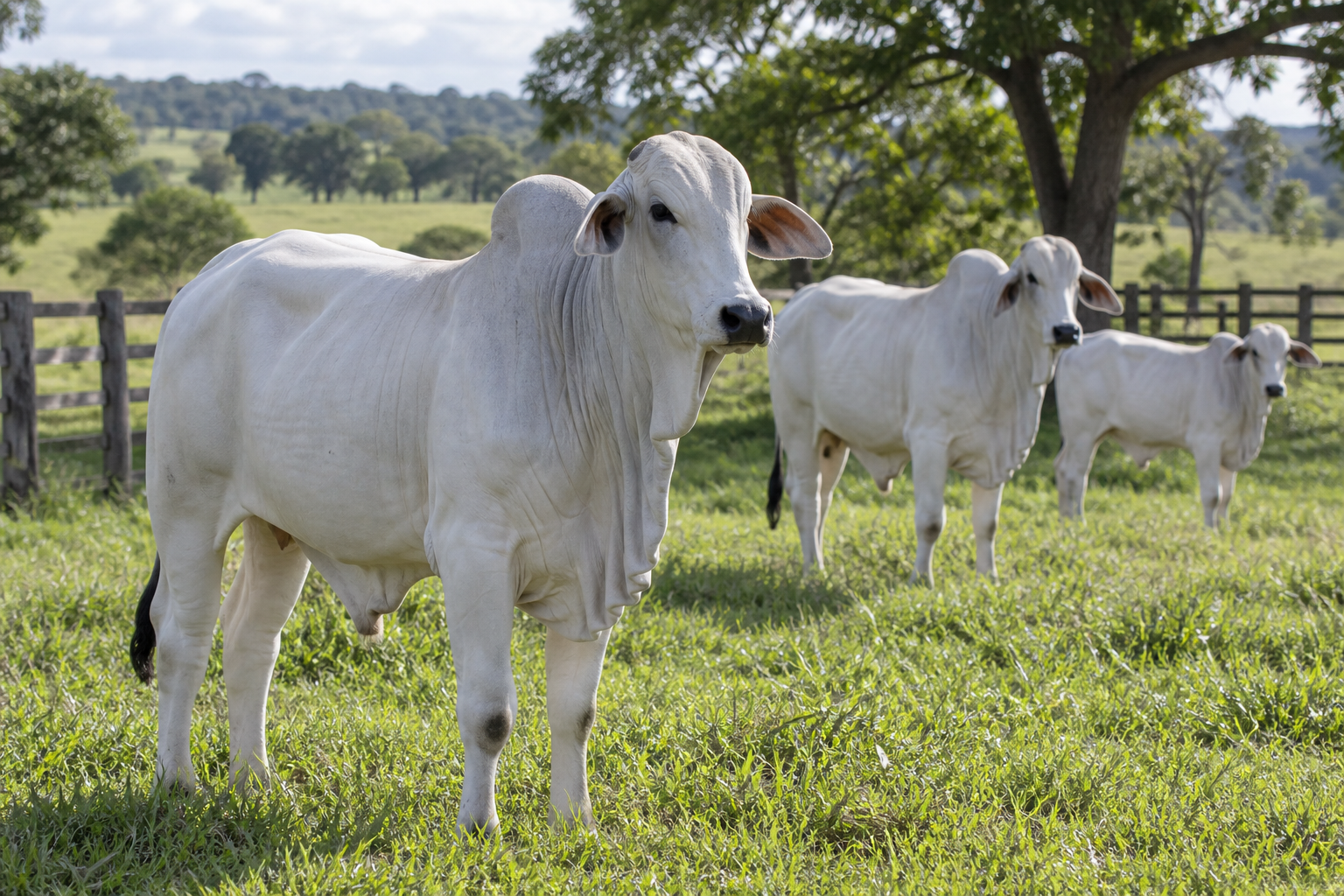
Cocoa: every bean has an origin story.
Harvesting, fermentation, and drying shape the beans’ identity. Collective purchasing does not have to erase the producer behind them.
Explore the cocoa supply chain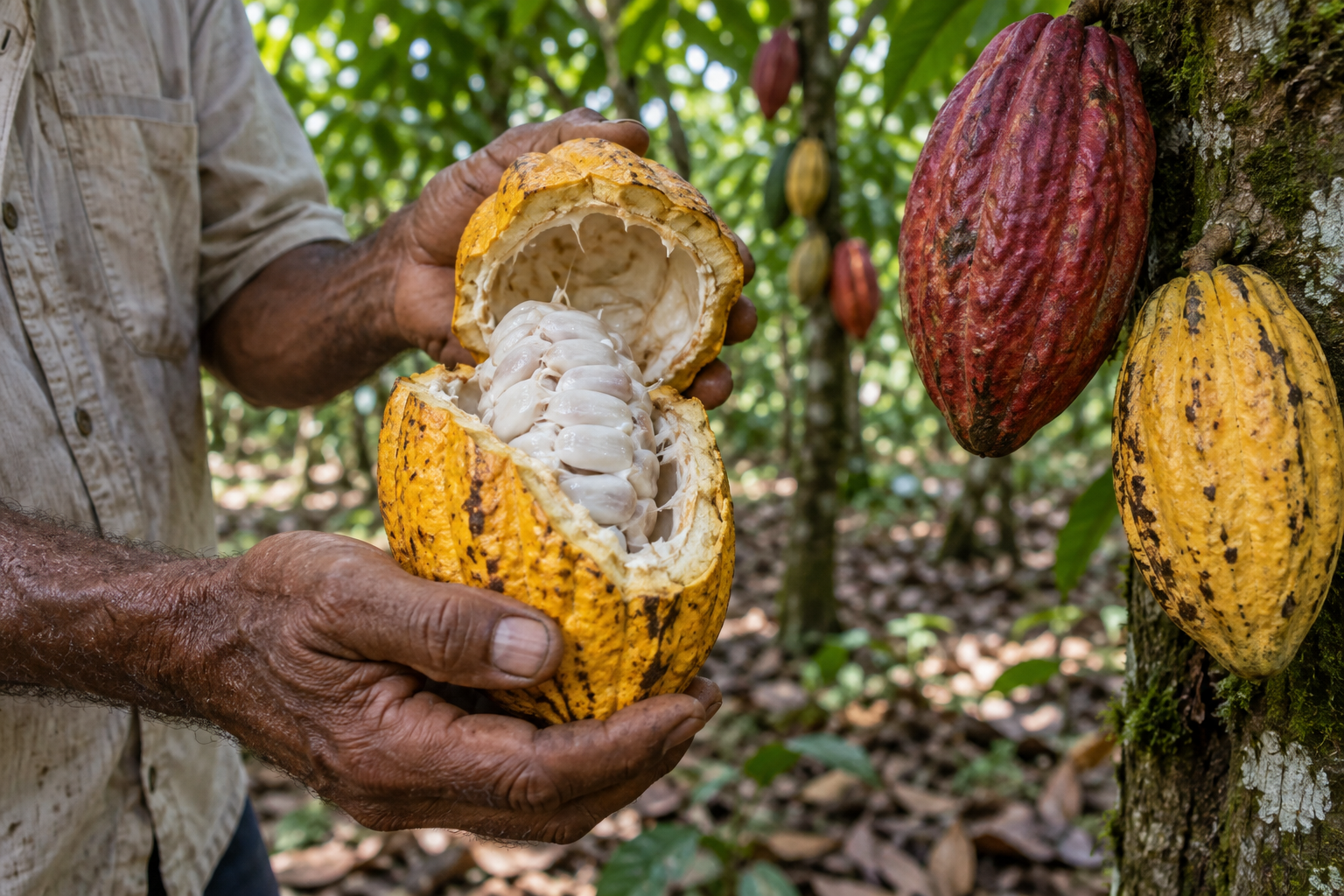
Palm oil: origin arrives with every bunch.
Time matters between harvesting and the mill. When many growers deliver fruit, identifying each delivery matters too.
Explore the palm oil supply chain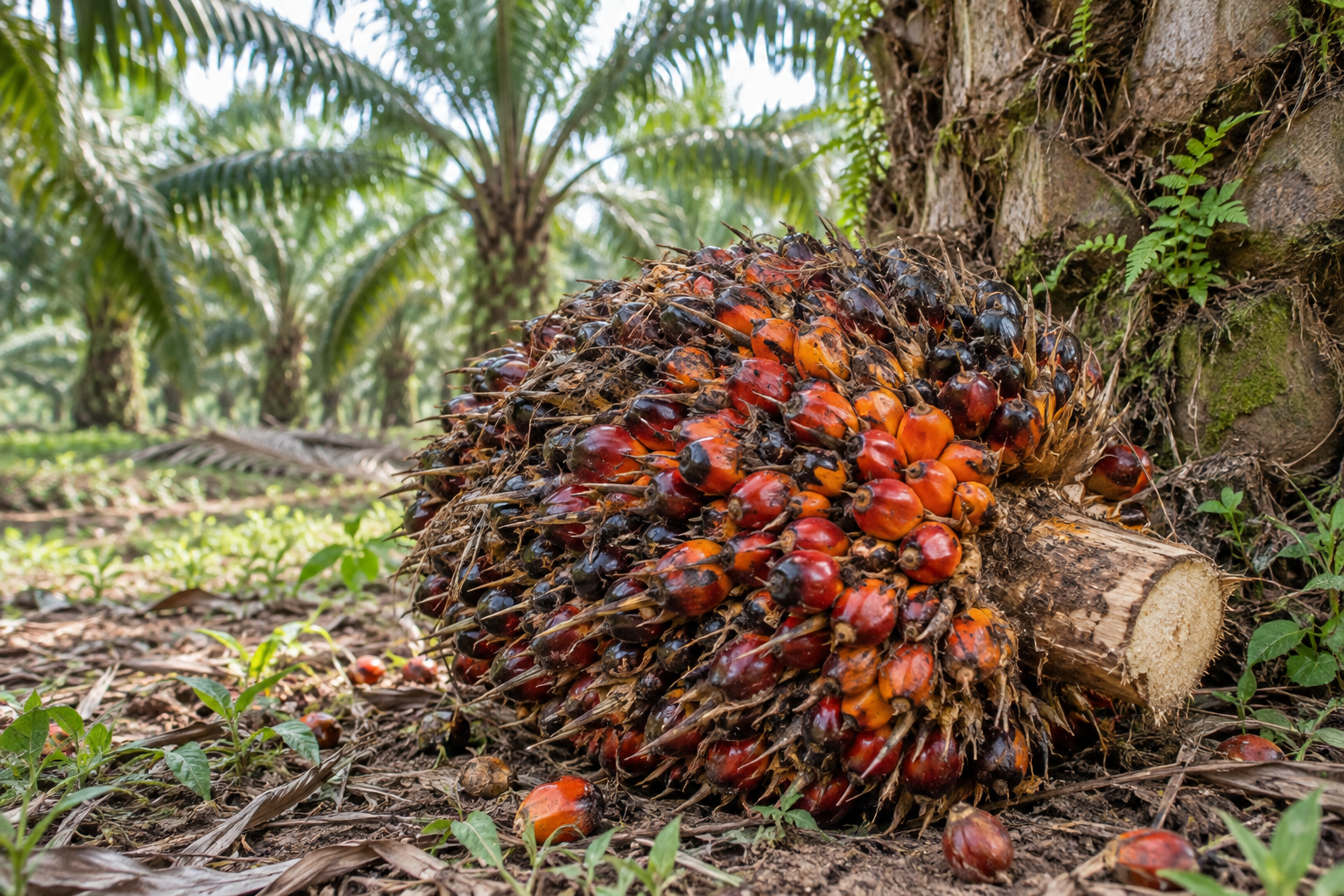
Rubber: from the grove to the industrial lot.
Latex, coagulated rubber, and processed rubber are different stages. Transforming the material should not break its connection to the producer.
Explore the natural rubber supply chain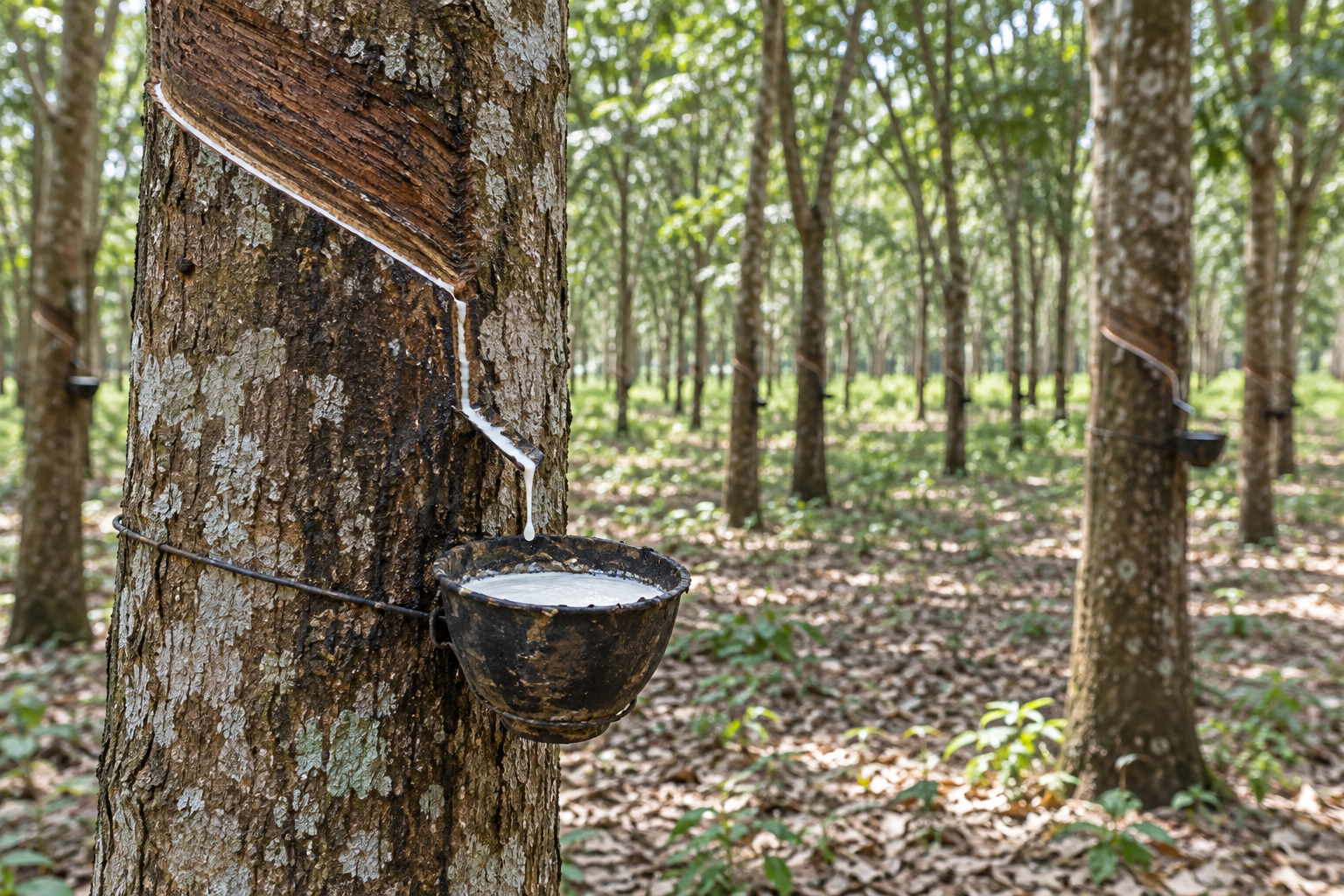
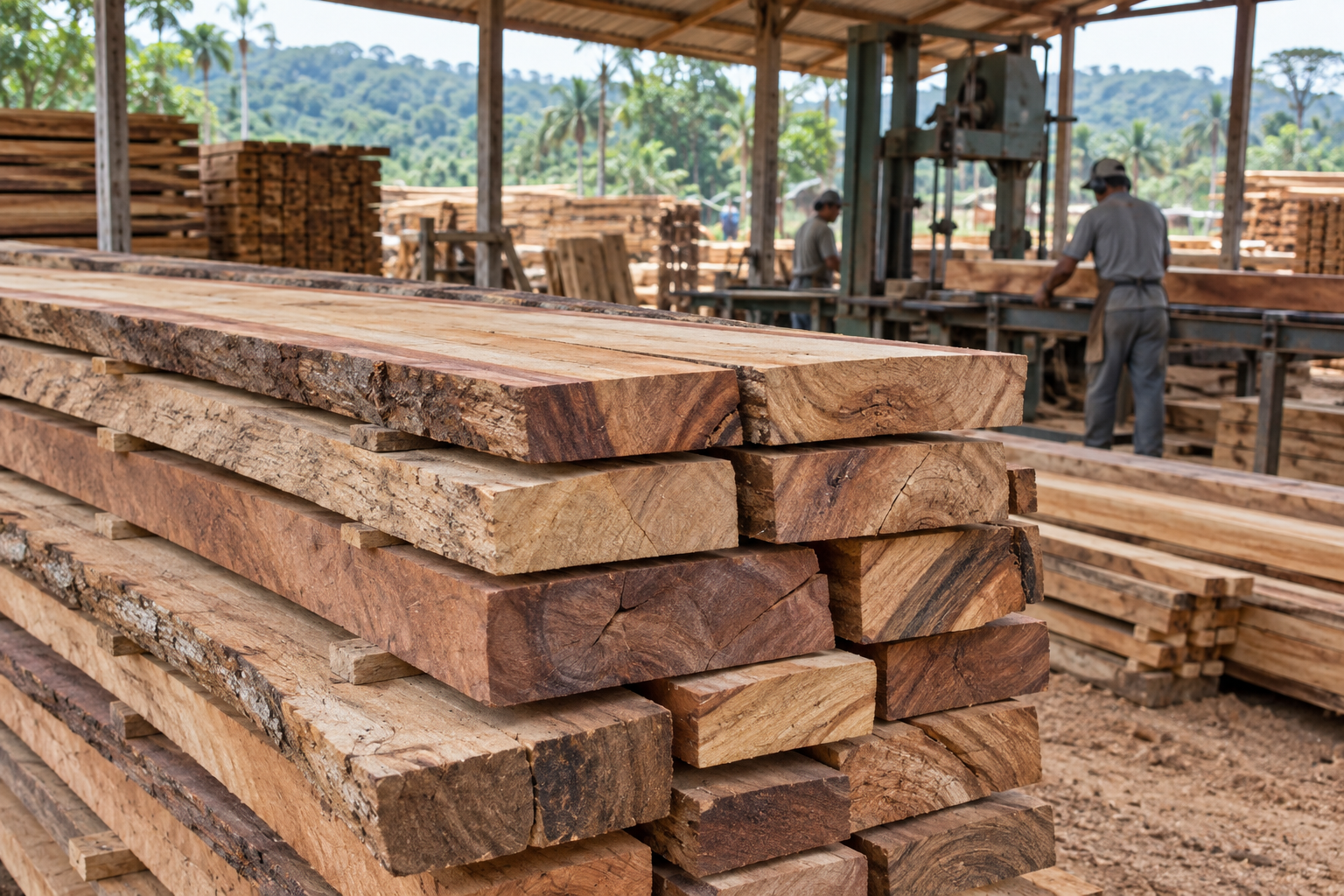
Wood: transformation retains the origin.
From logs to sawn pieces, species, volumes, and documents need to remain connected.
Explore the wood supply chain